

The Client Relationship Most Lawyers End Too Soon
What happens to the lawyer-client relationship after the case is over?
For many lawyers, the relationship begins with a retainer agreement and effectively ends when the legal work is finished. Neal Goldstein believes that misses something much bigger about practicing law: clients aren’t simply cases, transactions, or names in a file. They are people who chose to trust you during a significant moment in their lives.
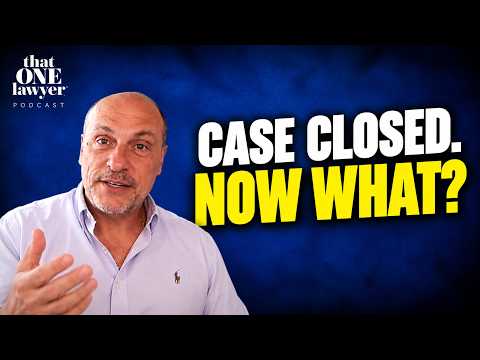
In this episode of That One Lawyer Podcast, Neal explores what it actually means to build genuine, long-term relationships with clients, referring attorneys, and the people you encounter throughout your career.
And sometimes it starts with something remarkably simple: calling a client before they call you.
Most client communication revolves around the case. What’s happening? What’s the next step? When will something be resolved? Neal challenges lawyers to think beyond those necessary conversations. If you genuinely enjoy working with a client, why shouldn’t you occasionally call simply to ask how they’re doing?
The same principle applies after the representation ends.
Neal explains why he views clients as business partners. They had countless attorneys they could have chosen, yet they entrusted their matter to you. Looking at that relationship differently can change the way a lawyer speaks, listens, communicates, and responds when a client calls with a question or concern.
The episode also gets into something many lawyers underestimate: conversation.
Neal shares the FORD approach to conversation: family, occupation, recreation, and dreams. The point isn’t to manufacture a connection or turn every interaction into a referral opportunity. It’s to become genuinely interested in other people and listen closely enough that they know they’ve been heard.
That philosophy goes back to Neal’s earliest years as a lawyer. Before digital marketing, he talked to taxi drivers, bartenders, and people he met during ordinary life. Some eventually remembered him and referred business to him. Not because he had delivered the perfect sales pitch, but because there had been an actual human interaction.
That distinction runs throughout this episode.
A birthday call. Lunch with a former client. Remembering something important in someone’s life. Staying connected with an attorney who has referred a case. Celebrating a client’s success. None requires an elaborate client-development program.
But they require attention.
Near the end of the episode, Neal shares the story of a former client whose case had been resolved more than a year earlier. After learning that her husband had died, Neal called and asked if he could take her to lunch. They talked. She laughed. She cried. The following day, she wrote publicly about how “her lawyer” had been there for her during a difficult time.
Neal’s point isn’t that an act of kindness generated business. In fact, he explicitly rejects that way of looking at it.
Sometimes maintaining a relationship has nothing to do with obtaining another case.
Sometimes it’s simply the right thing to do.
This conversation was originally recorded several years ago for a different project. Revisiting it now, the format may have changed, but the central question hasn’t: What kind of relationship do you want your clients to have with you once their immediate legal need is gone?
Because being a successful lawyer isn’t only about legal expertise. It’s also about whether the people you represent feel seen, heard, respected, and valued.
Subscribe to That One Lawyer Podcast for candid conversations about building a legal career and practice around stronger relationships, authenticity, professional growth, and the human side of being a lawyer.
Neal Goldstein – @nealagoldsteinlaw